
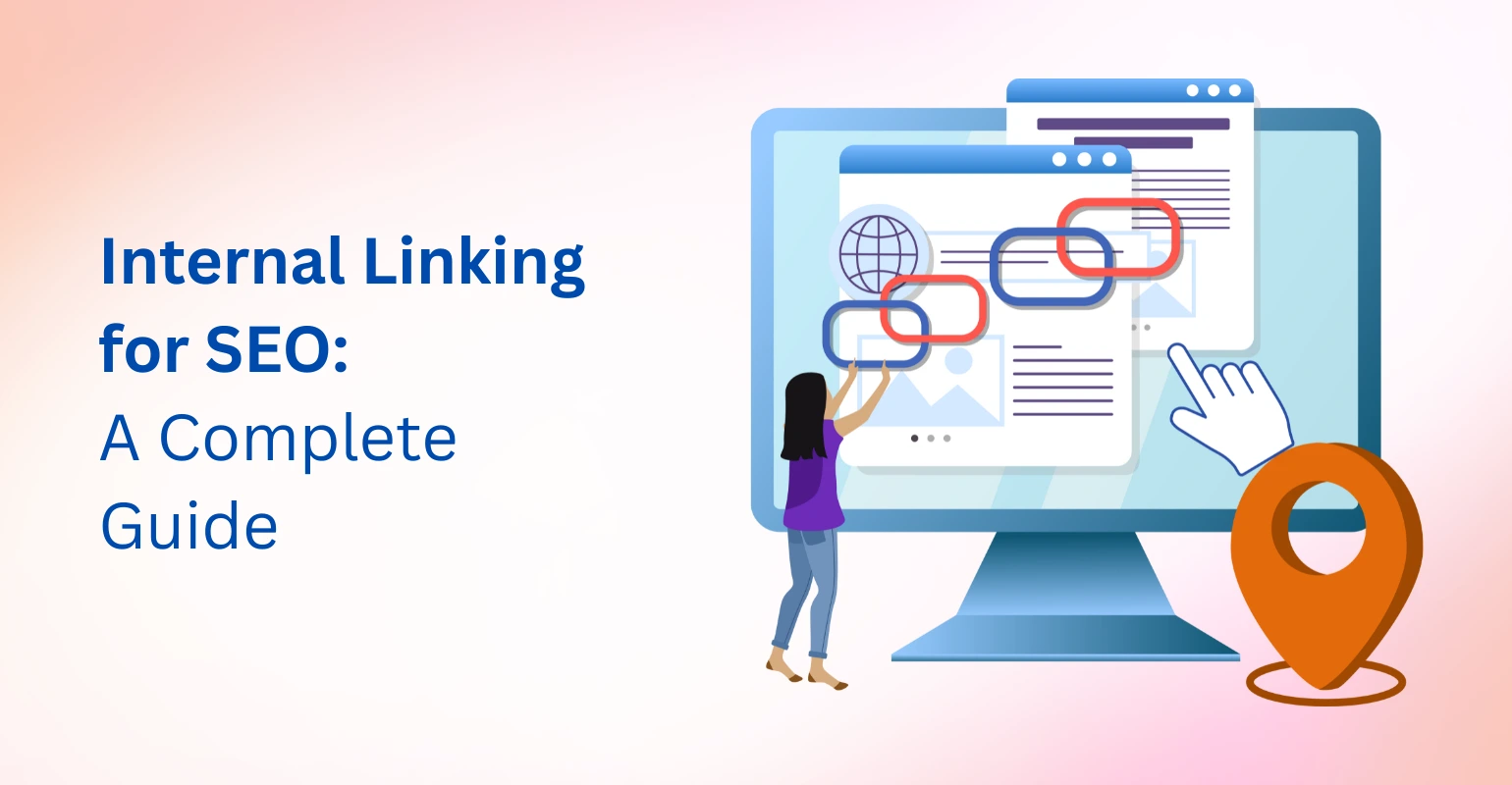
Internal Linking: Simple SEO Strategies That Work
Discover simple internal linking strategies that improve website navigation, connect related content, and support stronger SEO performance.
Internal Linking: Simple Ways That Help Your Business Grow in Search Engine Rankings
Internal linking is a search engine optimization (SEO) technique that allows you to cross-reference website documents and develop a website hierarchy. This technique is particularly relevant because it provides visitors with easy access to web pages.
Content writers often use internal links within one website relating one article to another. For instance, an internal link can be used to link keywords anchor from one-page blog to a similar blog post about keywords or technical SEO.
Therefore, an internal link can help a business build a website hierarchy and link system that will help the search engine index their site properly.
Why Internal Linking Is Important in SEO
The major importance of internal linking is that it helps web crawlers learn the relevance and hierarchy of your website. In addition, internal links allow search engines to easily follow and crawl the link chain, which ultimately improves your site’s search engine ranking.
On the other hand, for a business, internal linking helps their audience navigate from one web page to another. This is an easy way to boost web traffic by helping your audience find more information relevant to their queries.
Moreover, using a quality internal linking strategy allows you to pass a web authority boost to important pages. This helps in improving your website’s pages search engine ranking.
How to Easily Implement Internal Linking for Better SEO
A business does not require advanced knowledge or skills to start using internal links today. All that is needed is a basic understanding of a few concepts and ideas, including using relevant anchor text, linking similar content and prioritizing high-priority pages.
Other pointers that can be used to improve on-page SEO strategy while implementing internal linking include creating internal links that are not obvious, adding relevant links at the end of every web page that you can afford, and taking note of websites’ broken links.
Therefore, businesses should use internal links to promote relevant web pages and posts to help users and search engines easily navigate and cross-reference website content.
Anchor Text and Its Role in Internal Linking
Anchoring is a process of using anchors or text fragments that can be followed as hyperlinks as an internal website linking method. Generally, any meaningful text found under the hyperlink is referred to as the anchor text.
Anchoring should always be done using relevant keywords. However, businesses must resist the temptation of using excessive anchor text. Moreover, care should be taken to ensure that link placement does not disrupt the page’s flow.
In conclusion, internal linking is among the easiest SEO techniques that can be implemented to improve a website’s ranking. Using internal linking allows search engines to index a website efficiently, build a quality reference structure, and improve your web pages’ authority.
In addition, internal linking offers users a convenient way of navigating web pages to find the exact information they want. Therefore, every business should consider implementing these best practices and start experiencing the SEO benefits of internal linking today.

.jpg "PMP Master")















.webp "Arab African Bank")